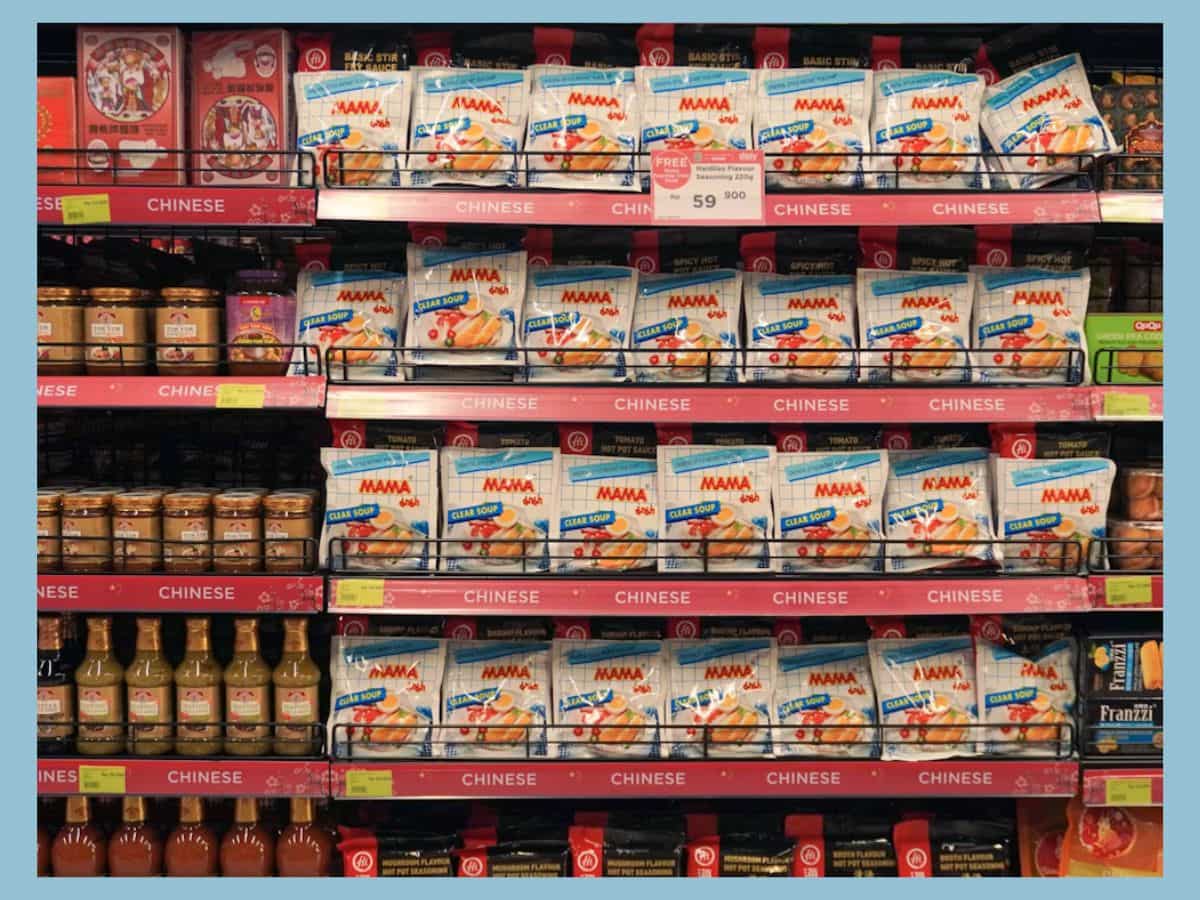
Grammage is the weight of a product or its packaging. This term is used in the FMCG (Fast-Moving Consumer Goods) and packaging industries to describe the weight of a material per unit area. Let’s understand this with an example, we measure a paper or cardboard in grams per square meter (gsm), and for food items like biscuits, noodles, or snacks, in grams.
This simply suggests that grammage is a measure of material’s weight and thickness. It is commonly used to determine the quality, density and durability of materials. A product with higher grammage indicates that it is heavier and thicker while a lower grammage signifies a thinner and lighter material.
FMCG companies often face higher costs when raw materials get expensive. To deal with this, they might make packaging a little smarter, change the size of the product, use alternative materials, or negotiate better deals with suppliers. The goal is to keep costs under control without making the product feel cheap or low quality.
FMCG are those products which can be sold quickly and are affordable for customers, in return gives huge profit to the companies. FMCG contains products of daily use like baked items, prepared meals, processed foods, beverages, medicines, cleaning products, cosmetics, stationery, and toiletries etc.
FMCG companies manage input costs
The firms follow following ways to manage input costs some are mentioned below:
Enhancing Product Size and Grammage: The FMCG firms adjust the product size or grammage slightly to manage costs, without changing overall experience of the consumers.
Example: Like a biscuit brand packet might be reduced from 120g to 110g. But, the packaging and appearance remain attractive. It becomes hard for customers to experience this. You have experienced this sometimes that you see a bigger snack packet and decide to buy it with paying extra. And, then you realise that the quantity inside is almost same as before and the taste remains exactly the same.
Revising Prices Strategically: Firms may pass some of the cost increase to consumers by raising product prices. They often do this gradually or selectively, e.g., premium products might see higher price hikes than everyday essentials. Like, a premium chocolate brand raises its price by 5–10 per cent, while the price of basic chocolate bars remains unchanged to keep them affordable.
Reducing Packaging or Material Costs: FMCG firms use lighter, recycled or flexible packaging instead of heavier materials like in earlier days the juice came in glass bottles which were heavier, expensive and not easy to carry. Now, these comes in plastic bottles which are lighter, cheaper and safer to transport that reduces the overall packaging cost of the firms.
Promotions and Trade Strategies: The companies sales high despite rising the costs through offers and value packs. Like a detergent brand introduces a sale ‘Buy 2, Get 1 Free’ or combo deals with different variants. It maintains consumer interest while controlling the margins but firms slightly reduce the weight of the products.
How consumers can stay aware
Here are some tips, consumers should keep in keep while purchasing home essentials or any food ingredients:
- Before buying, check product weight or quantity properly.
- When the price of products rises, check cost per 100g/ml rather then just the packet price.
- Observe the change in packaging.
- Offers like ‘Buy 2, Get 1 Free’ can be useful, but check if the unit quantity or weight has changed or not.
- Read the labels carefully, as many times ingredients, nutrition and volume may be slightly adjusted.
- Save money, but choose quality-focuses products.
Source link