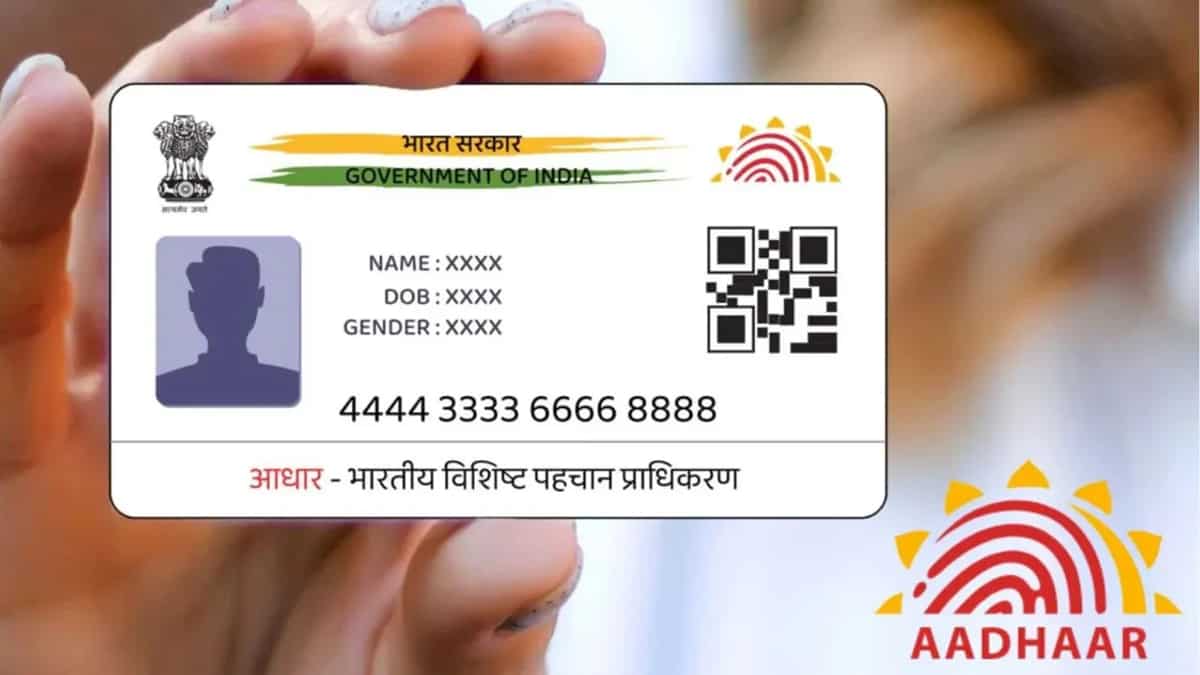
If you use an Aadhaar PVC card or were planning to order one, it will soon cost you more. The Unique Identification Authority of India (UIDAI) has decided to increase the fee for getting an Aadhaar PVC card, raising it from Rs 50 to Rs 75. The revised charge will come into effect for all applications submitted from January 1, 2026. Over the years, the Aadhaar PVC card has become a popular choice, mainly because it is sturdier, easier to carry and more durable than the paper Aadhaar letter. But with printing, material and secure delivery costs going up, UIDAI has now revised the pricing. While the increase is relatively small, it will matter to the many Aadhaar holders who regularly use the PVC card for identification.
What exactly is changing?
The fee for ordering an Aadhaar PVC card will go up by Rs 25, taking the total cost to Rs 75. This amount already includes taxes and delivery charges. The higher fee will apply only to requests made on or after January 1, 2026.
Why UIDAI raised the price?
In an official communication, UIDAI said the decision was driven by rising operational expenses. According to the authority, the cost of raw materials, secure printing, logistics and speed-post delivery has increased steadily over the past few years.
UIDAI noted that the Rs 50 charge had remained unchanged since the Aadhaar PVC card service was introduced five years ago. The revision, it said, is aimed at ensuring uninterrupted, high-quality production and safe delivery of the cards without compromising on security standards.
What is an Aadhaar PVC card?
Think of the Aadhaar PVC card as a tougher, wallet-friendly version of your Aadhaar. It’s made of plastic, about the size of a bank card, and far more durable than the paper letter many people still carry. It can handle everyday wear and tear, doesn’t get damaged easily by water, and fits neatly into a purse or wallet. Although it looks different from the traditional Aadhaar letter or the downloaded e-Aadhaar, UIDAI says it carries the same legal validity and can be used wherever Aadhaar is required.
Why it’s harder to fake?
The PVC card comes with several built-in security features to prevent misuse. These include a secure QR code that can be scanned instantly, along with a hologram, microtext, a ghost image and intricate background patterns. Put together, these features make the card much more secure than a regular printout taken from a home printer or cyber café.
How to apply online?
Getting an Aadhaar PVC card does not require a visit to an enrolment centre. The entire process can be completed online. Aadhaar holders simply need to visit the myAadhaar website or use the mAadhaar app, enter their Aadhaar number and captcha, and verify the request using an OTP sent to their registered mobile number. After selecting the PVC card option, they can review their details and pay a fee of Rs 75. UIDAI then prints the card and sends it by Speed Post.
Once the order is placed, UIDAI usually dispatches the card within five working days. Delivery time depends largely on whether the address linked to Aadhaar is correct. Checking and updating address details before placing the order can help avoid delays or returned mail. For those who prefer offline assistance, the Aadhaar PVC card can also be requested as a reprint service at authorised Aadhaar enrolment or update centres. UIDAI has reiterated that Aadhaar PVC cards printed by private vendors are not considered valid. Only cards issued directly by UIDAI carry official status.
Aadhaar formats currently available
At present, Aadhaar is available in three official formats:
- Aadhaar letter
- e-Aadhaar
- Aadhaar PVC card