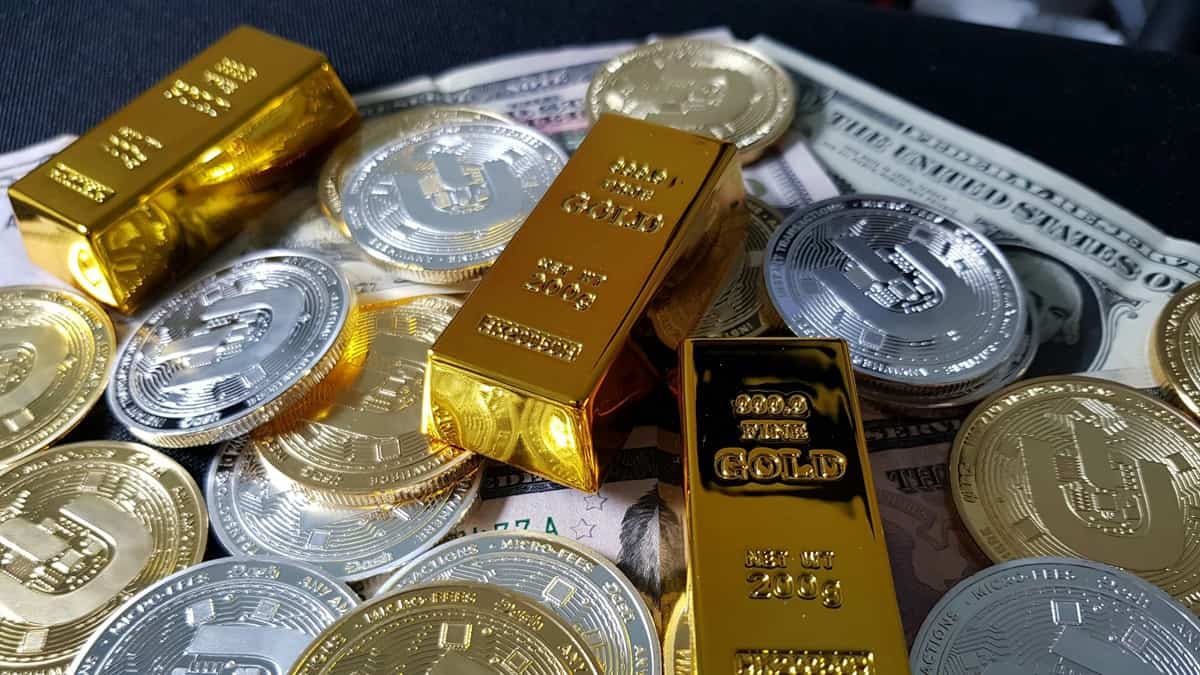
Gold and silver prices slipped in the domestic commodity market on Monday, March 16, amid rising global uncertainty, a stronger US dollar and fading hopes of an early interest rate cut by the US Federal Reserve. The correction in bullion comes as global markets react to surging crude oil prices and escalating geopolitical tensions in West Asia.
At around 5:30 pm, gold futures on the Multi Commodity Exchange (MCX) were trading at Rs 1,55,660 per 10 gram, while silver futures were around Rs 2,51,484 per kg. The sharp decline has kept investors cautious, with analysts saying the direction of bullion prices will largely depend on global macroeconomic developments and central bank policy signals.
According to the Precious Metals Report by Motilal Oswal dated Monday, March 16, 2026, gold prices have started taking a breather after a strong rally earlier, as concerns about persistent inflation and higher interest rates overshadow safe-haven demand.
Stronger dollar and rate cut uncertainty weigh on gold
The report notes that gold prices declined globally to around $5,000 as rising energy prices strengthened the US dollar and increased concerns that the Federal Reserve may delay interest rate cuts.
Market expectations for a rate reduction at the March meeting have largely faded. The probability of rate cuts later this year has also dropped to around 80 per cent, reflecting increasing caution among investors.
Positioning in the market also shows signs of weakening demand. Holdings in gold-backed exchange traded funds have declined by nearly 31 tonnes so far this month, signalling reduced investor appetite for the metal.
Silver prices have followed a similar trend, slipping to around $80 amid broader weakness in precious metals.
West Asia conflict and oil prices driving volatility
The report highlights that pressure in bullion markets is also linked to the inflationary risks arising from the ongoing conflict involving the US, Israel and Iran.
The situation escalated after the US and Israel reportedly struck a key Iranian export terminal over the weekend, prompting strong retaliation threats from Tehran. The conflict has shown few signs of easing, increasing uncertainty across global markets.
At the same time, crude oil prices have remained elevated above $100 per barrel, fuelling concerns that inflation could remain high globally. Higher oil prices tend to strengthen the US dollar and reduce the appeal of non-yielding assets such as gold.
Although US President Donald Trump suggested that diplomatic talks were under way to form a coalition aimed at reopening a critical shipping route blocked by Iran, Tehran has repeatedly rejected such claims.
Global central bank decisions in focus this week
Another key factor for bullion markets will be the upcoming monetary policy decisions from major global central banks.
Markets are closely watching announcements from the US Federal Reserve, Bank of Japan, European Central Bank, Bank of England and China’s Loan Prime Rate committee.
According to the Motilal Oswal report, these decisions will play a crucial role in determining the next direction for gold and silver prices, especially as markets assess whether global interest rates will remain higher for longer.
Trade deficit widens as gold and silver imports surge
India’s trade data also reflects the growing impact of bullion on the country’s external balance.
The trade deficit has widened to around $10 billion, with the fall and volatility in gold and silver prices contributing significantly to the movement in trade numbers.
Data shows that gold imports rose by 20.6 per cent between April and January, indicating strong domestic demand for the precious metal.
Silver imports have surged even more sharply. The value of silver imports increased by 120.54 per cent, while the quantity rose by about 41 per cent during the same period.
However, excluding petroleum and gems and jewellery exports, most other sectors have recorded positive export growth this year, while these two sectors have remained in negative territory.
Should investors buy gold and silver now?
According to MOFSL report gold and silver may remain volatile in the coming days as markets closely monitor geopolitical developments and central bank signals. If inflation concerns persist and interest rates remain elevated globally, bullion could face intermittent pressure. However, any signs of easing geopolitical tensions or signals of future rate cuts could support prices again.