Akshaya Tritiya 2026: With Akshaya Tritiya being celebrated on April 19, gold buying is picking up, but so are doubts around purity, pricing and what exactly to buy this time. Speaking to Zee Business, commodity expert Anuj Gupta said gold remains a relevant investment, particularly in uncertain conditions. He pointed out that over the long term, gold has delivered steady returns and continues to act as a hedge in a diversified portfolio. He also noted that Akshaya Tritiya is widely seen as a favourable time to begin investing, especially for first-time buyers entering the market.
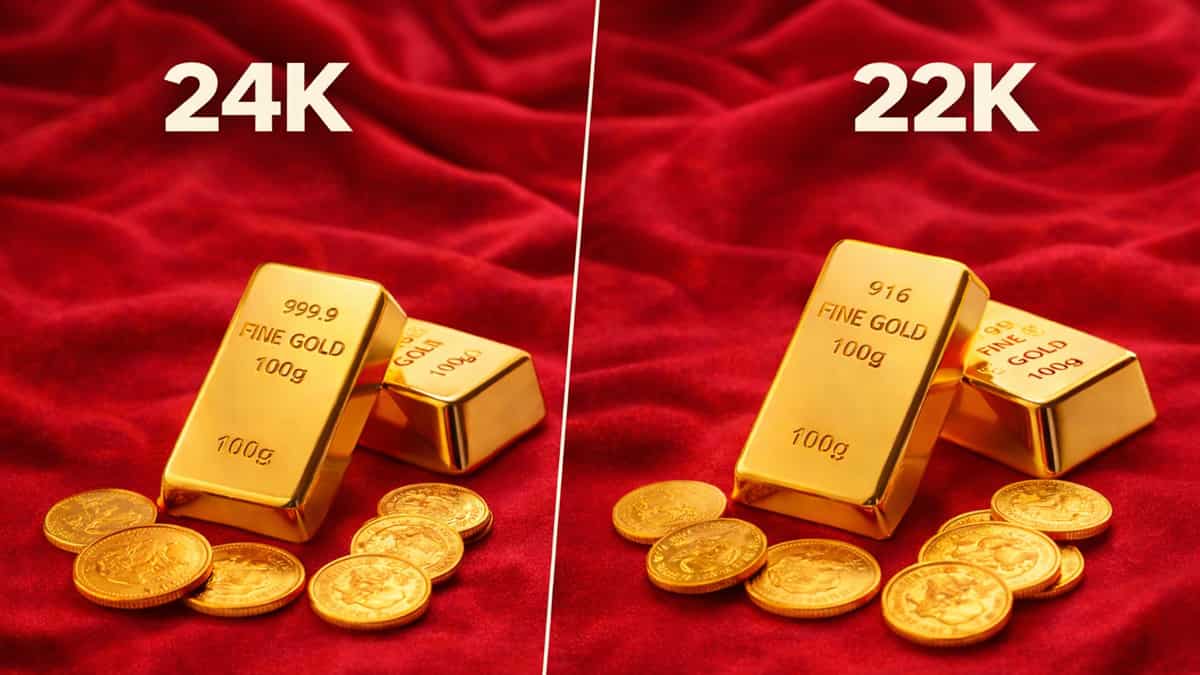
22K vs 24K Gold: What’s the difference buyers should know?
One of the most common areas of confusion is gold purity. While many buyers assume higher purity always means better value, that is not always true – especially when it comes to jewellery.
- 24K gold is 99.9 per cent pure and is typically used for coins and bars
- 22K gold contains about 91.6 per cent gold, mixed with other metals for added strength
The key difference lies in usability. Pure gold is extremely soft – it can bend easily, scratch quickly and lose shape over time. This makes it impractical for jewellery meant for regular use. In contrast, 22K gold is more durable and better suited for intricate designs, everyday wear and stone-studded pieces.
Buying gold this Akshaya Tritiya? Check these purity details first
Before making a purchase, Gupta advised following a few essential checks:
Ask for a certificate
Always take proof from the jeweller clearly stating whether the gold is 22K or 24K.
Request testing if needed
If there is any doubt, buyers can ask for on-the-spot testing to confirm purity.
Verify the HUID hallmark
The Hallmark Unique Identification (HUID) number is critical. It helps track purity, manufacturer details and purchase records, making it a reliable long-term reference.
Take a proper bill
Ensure the invoice clearly mentions purity, price and all applicable charges.
Planning to invest? Why jewellery may not be the best option
Many buyers treat jewellery as an investment, but Gupta advise caution. Making charges – usually between 5 and 10 per cent are not fully recovered during resale. As a result, the effective return is often lower than expected. For investment purposes, options like gold bars, coins or gold ETFs are generally more efficient, as they avoid these additional costs.
Why 24K gold is better for investment, not jewellery
While 24K gold offers the highest purity and strong investment appeal, its physical properties limit its use in jewellery. Its softness makes it unsuitable for holding gemstones or maintaining complex designs. Over time, jewellery made from pure gold can deform or wear out easily. This is why most jewellers prefer 22K or even 18K gold, where alloy metals provide the strength needed for durability and craftsmanship.
How to check if gold prices are fair before buying?
With prices fluctuating, Gupta advised buyers to check prevailing gold rates on platforms like MCX and compare them with jeweller quotes. He also stressed reviewing making charges carefully, as these can vary widely and significantly impact the final cost.
Gold ETF, SIP, pre-booking: What are your options?
For those concerned about price volatility, pre-booking or price-lock options offered by jewellers can help secure current rates. Meanwhile, investors looking beyond physical gold can consider gold ETFs through SIP, which allow gradual investment without storage or purity concerns.
How much gold should you hold in your portfolio?
Gupta suggested keeping around 15–20 per cent of a portfolio in gold or silver, depending on an investor’s risk profile and goals. This can help balance risk during market volatility.