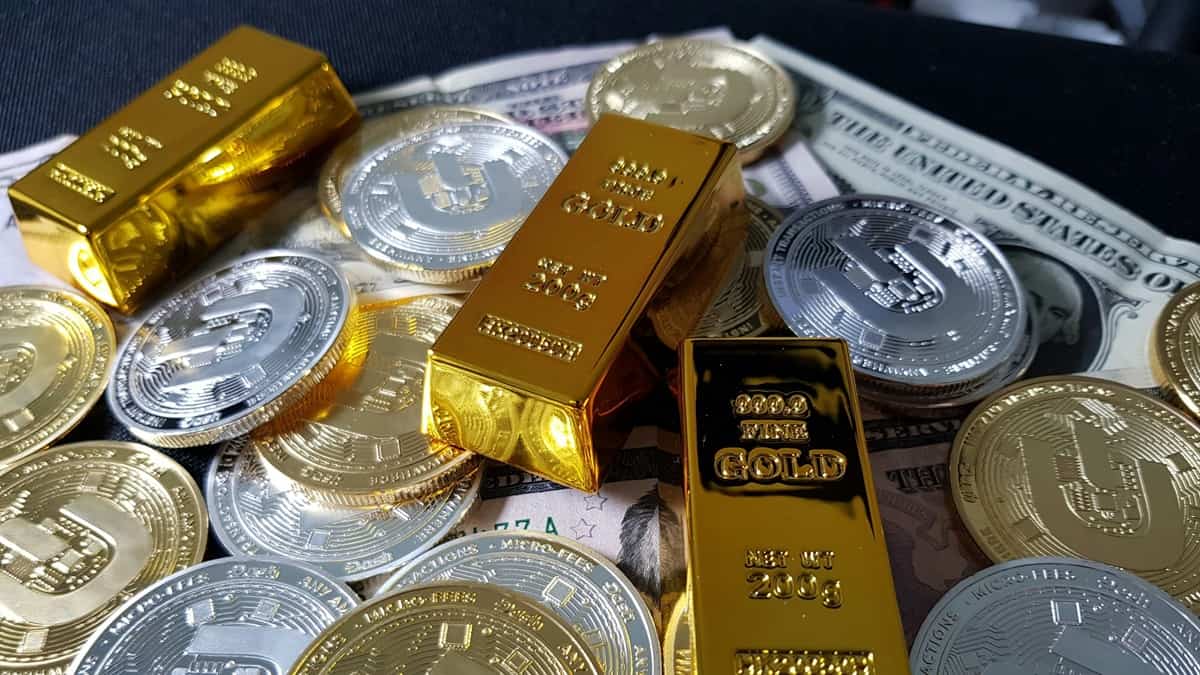
Gold has held steady through a turbulent year, and Motilal Oswal’s latest outlook suggests that the precious metal will continue to play an important stabilising role for Indian households in the coming months. Even as global cues remain mixed, the report says investors should stick to a disciplined strategy instead of chasing short-term price swings. Silver, meanwhile, carries meaningful long-term potential but remains far more volatile and suitable only for those willing to stomach deep price cuts along the way. With festive demand high and global markets unpredictable, the brokerage’s guidance comes at a time when many small investors are reassessing how much gold and silver they should actually hold.
Already holding gold? Stay invested, says Motilal Oswal
Motilal Oswal’s view is straightforward: those who already have gold in their portfolio should continue to hold it. Gold doesn’t deliver overnight returns, but it offers something more valuable – stability. Its role becomes even more important during periods of inflation, currency movements, or geopolitical uncertainty.
For new investors, the report advises avoiding lump-sum purchases. Instead, it recommends a staggered approach such as SIP-style buying, which reduces market-timing risk and cushions short-term price spikes. Small monthly investments also make it easier for first-time investors to build discipline without straining their monthly budget.
Small SIPs can build a strong long-term corpus
Financial planners say gold SIPs work particularly well for long-term goals such as jewellery buying, children’s weddings or future wealth creation. Even modest monthly amounts, when continued for 5–7 years, can create a meaningful corpus. This slow-and-steady approach also protects investors from the emotional impulse of buying gold at peak prices and regretting it later.
Silver has potential but the volatility is far higher
Silver often attracts attention because of its lower price point and industrial appeal. But Motilal Oswal warns that its behaviour is nothing like gold. Silver prices swing sharply due to changes in global industrial demand, supply disruptions, economic sentiment and sudden geopolitical events.
For investors who get uncomfortable with sharp price swings or deep drawdowns, silver can be unnerving. The brokerage says only those with a high-risk appetite and a genuinely long-term view should consider allocating money to the metal, and even then, in a very disciplined manner.
Silver exposure must remain limited
Unlike gold, silver can fall deeply and without warning. Sharp drawdowns can wipe out gains quickly, which is why analysts advise strict exposure limits. Even aggressive investors should cap their silver allocation because of the metal’s unpredictable nature.
Gold + silver allocation should not exceed 10% of the portfolio
The report reiterates a widely accepted rule: precious metals are meant for diversification and inflation protection, not for core portfolio returns. Combining gold and silver, total exposure should ideally stay within 10 per cent. This keeps risk under control while still allowing investors to benefit from the defensive qualities of both metals.
In India, 22-carat gold is priced at Rs 11,676 per gram, while 24-carat gold is trading at Rs 12,738 per gram. Prices fluctuate daily based on global cues, demand-supply dynamics and movements in the rupee–dollar exchange rate. Investors are advised to track daily rates before making any fresh purchases.
Source link