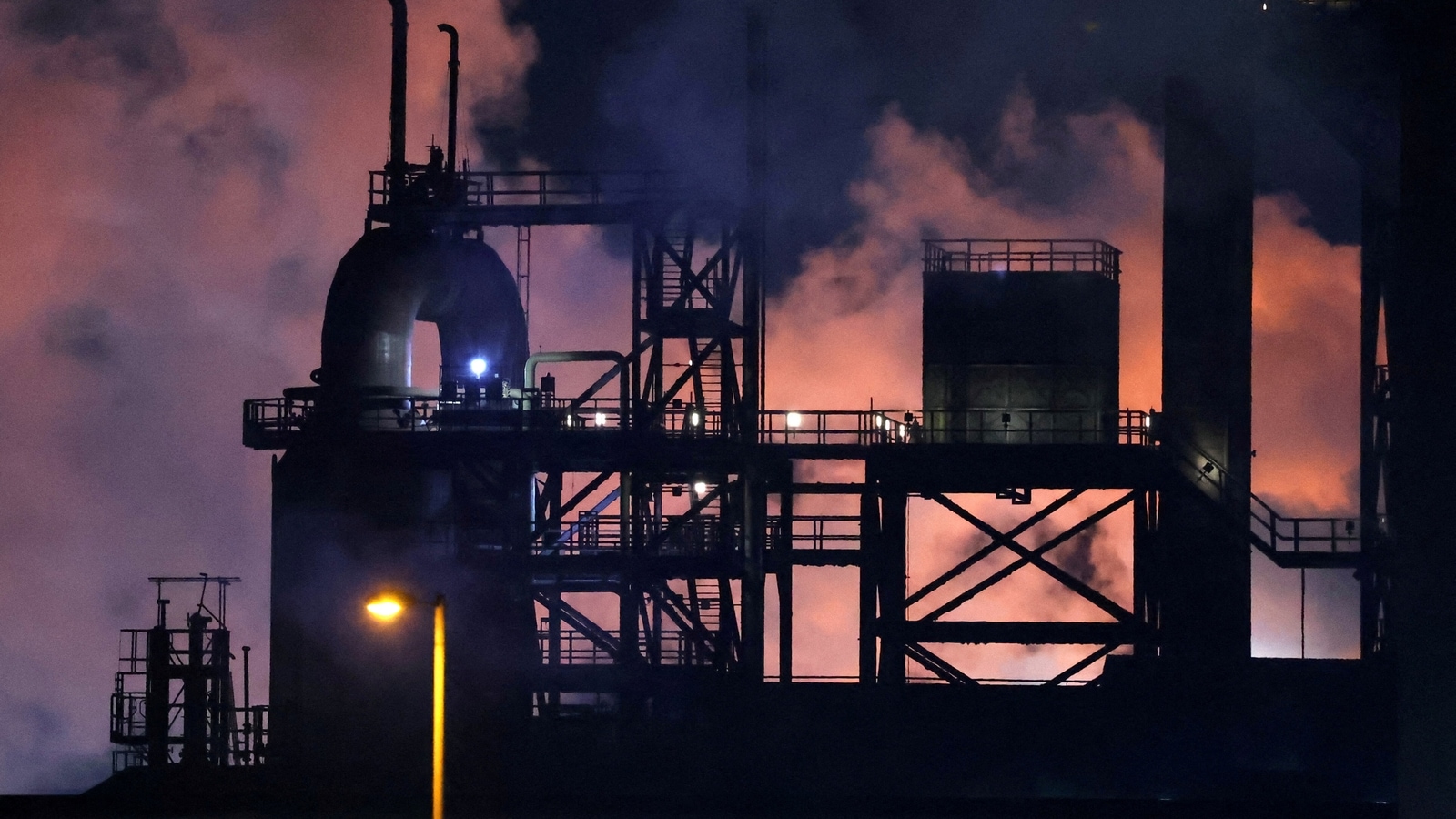
The UK’s newly elected government is trying to prevent job losses at Tata Steel as it is in talks with the company over the government backing of its transition to lower-carbon technologies, according to a Reuters report, which quotes business minister Jonathan Reynolds.
Also Read: Passenger vehicle sales fall 7% in June as heatwave curtails showroom visits
“We see this as a major priority,” the report quoted Reynolds telling the BBC. “I’m going to make sure that job guarantees are part of the negotiation that we’re having.”
What happened to the Tata Steel worker strikes?
This comes after Tata Steel workers last Monday, suspended a strike they had planned following a warning from the company that it would close its furnaces in advance if the strike happened.
Around 1,500 workers at the sites, who had already begun an overtime ban on June 17, were also due to start an indefinite strike from July 8, according to the report.
Also Read: Paytm founder Vijay Shekhar Sharma talks about Paytm, expectations from budget
The union said it had paused industrial action after confirmation from the company that it was prepared to enter talks about “future investment for its operations and not just redundancies”.
However, a spokesperson for Tata said that the talks will “focus on the future investments and aspirations for the business, and not on a renegotiation of our existing plan for the heavy-end closure or the enhanced employment support terms,” according to the report.
Why did Tata steel workers strike?
The new government will have to sign a 500 million pound support package which the previous government had agreed to provide Tata Steel with, to build an electric-arc furnace, which is less carbon-intensive.
Tata, Britain’s largest steel maker started the closure of one of its carbon-intensive blast furnaces, with plans to shut down its other one in September. This could potentially lead to 2,800 job losses at its South Wales Port Talbot steel plant.
Also Read: Ola Cabs to now use Ola Maps instead of Google Maps, CEO Bhavish Aggarwal says
The company, which currently employs over 8,000 people in Britain, previously said that its steelmaking assets were near the end of their life, operationally unstable and were causing unsustainable losses of 1 million pounds.
Source link