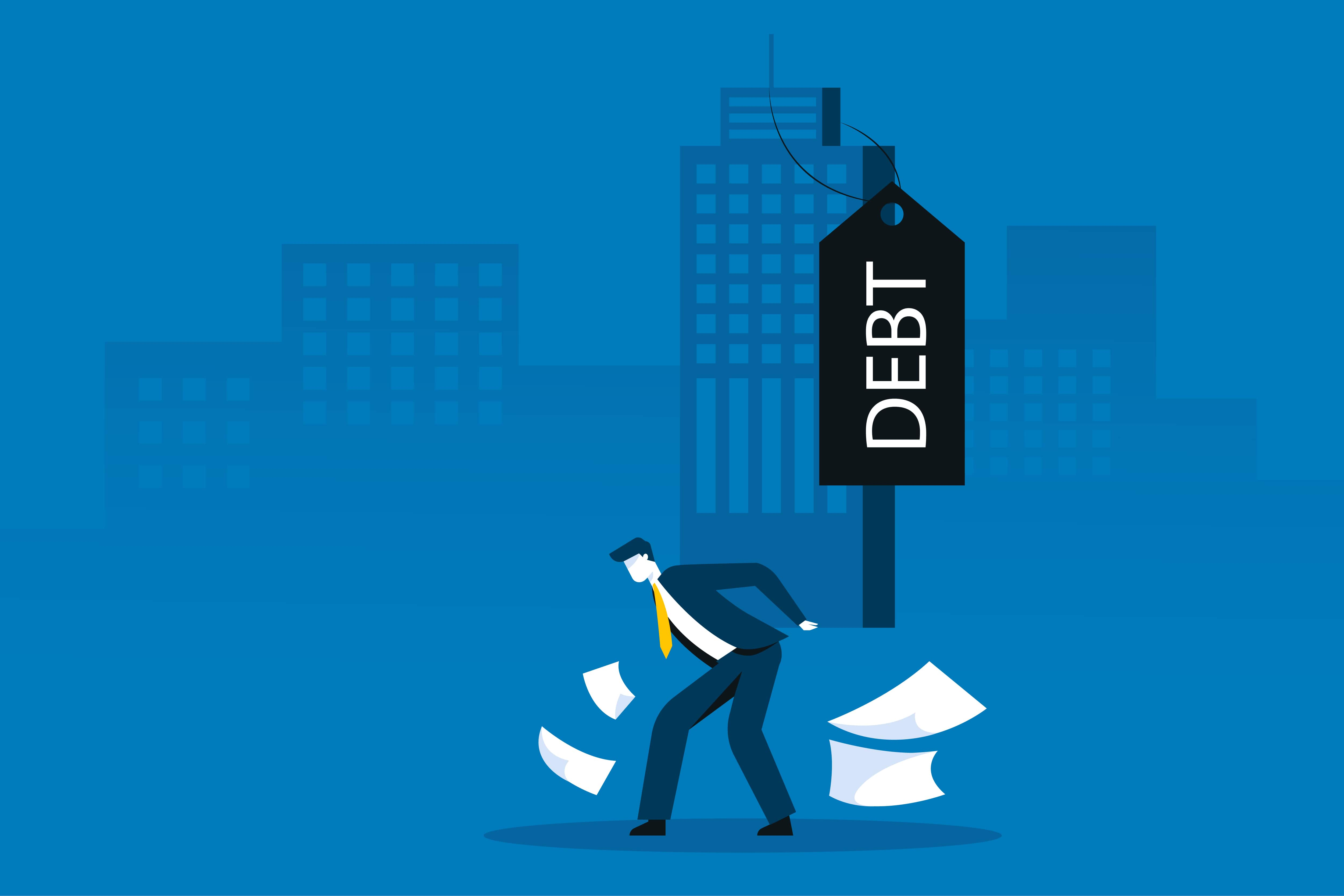
Dept Trap: People today have easy access to credit cards, overdrafts, personal loans, car loans, home loans and other source of funding. The lack of financial discipline often pushes people into debt as they take multiple loans from various sources. If they miss paying their even one EMI, it can cast a slur on credit score.
If you are among those who are saddled with too many loans, we will tell you tips to follow for a debt-free future.
What is a Debt trap?
Harish Parmar, founder, SingleDebt, said that a debt trap is a situation where someone is forced to apply and take further loans to repay their existing debts, usually at a higher interest rate. Over time, they get stuck in a situation where the debt and interest spiral out of control, exceeding repayment capacity and making them fall into a debt trap.
1. Prioritise your needs and make a budget
The first step is to determine where you stand financially. Consider and track how much money is coming in and importantly how much is going out. And create a priority list of all your needs. Hold off splurging on non-essential or even semi-essential purchases till you are back on track.
“Work out how much you owe, who to, and how much you need to pay each month. Identify your most urgent debts. Create a budget by adding up your essential living costs,” he said.
2. Say a BIG NO to more borrowings
Avoid borrowing more while you have already borrowed excessively. Parmar said that borrowing more money simply to pay off the running costs of other debts will eventually sink you.
“Don’t jump into a so-called consolidation loan without carefully considering what you are getting yourself into. They offer to take away debt worries by shifting all your existing loans into one easily affordable loan,” he said.
3. Start saving
Keep tabs on your spending and begin saving a small amount of your income. “You should be banking 5% of your income into a fixed deposits (FD) account. Then in time of an emergency, you can take a loan against fixed deposits (FDs) is among the cheapest ways to borrow,” said the expert.
4. Clear your dues on time
Paying off credit card bills and loan EMIs on time and in full is the first step to preventing falling into a debt trap. Paying only the minimum amount may sound appealing at the time, but continuing this behaviour for a long time could affect your financial health.
5. Do not exhaust limits
You must monitor your credit score if you want to enjoy a secure financial future. Make a point of requesting your credit report every three months, or as soon as a loan account has been closed. Verify that the information is accurate and meets your expectations.
6. Build an emergency fund
Maintaining a corpus that you may use in case of an emergency is vital. People typically borrow money when they suddenly require a sizable sum of money for an emergency. You can avoid falling into a debt trap if this pattern is broken.
7. Seek professional help
If you believe you won’t be able to pay your bills or are finding it difficult to manage your expense, get help right away. You are not alone, a qualified and trained debt adviser can walk you through your options.
ALSO READ | Bharat Bond ETF: 5 reasons to invest; check interest rate, risk, tax benefit, expense ratio and maturity
Click Here For Latest Updates On Stock Market | Zee Business Live
Source link